Twyfelhoek - 2020
Artist Statement
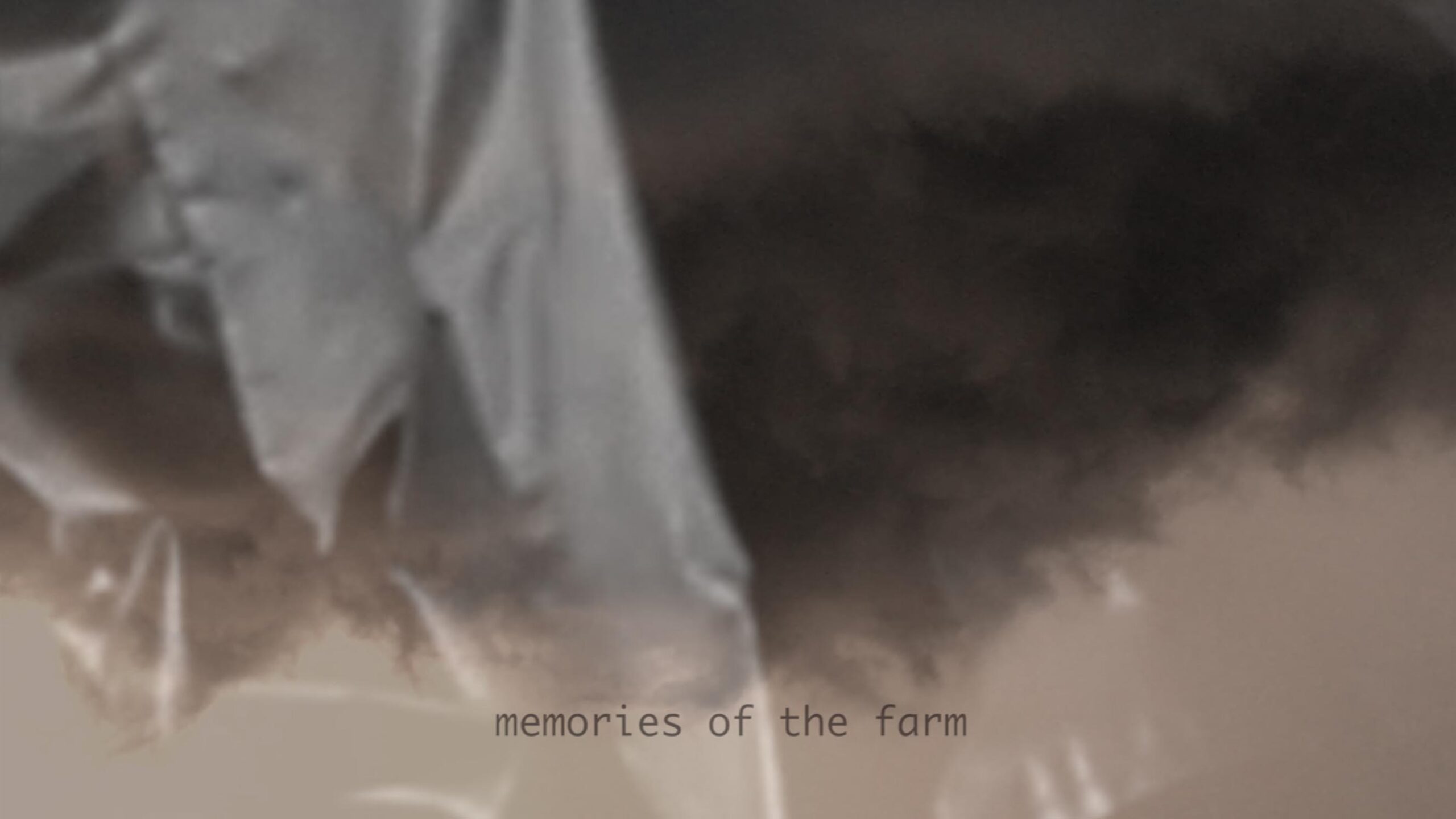
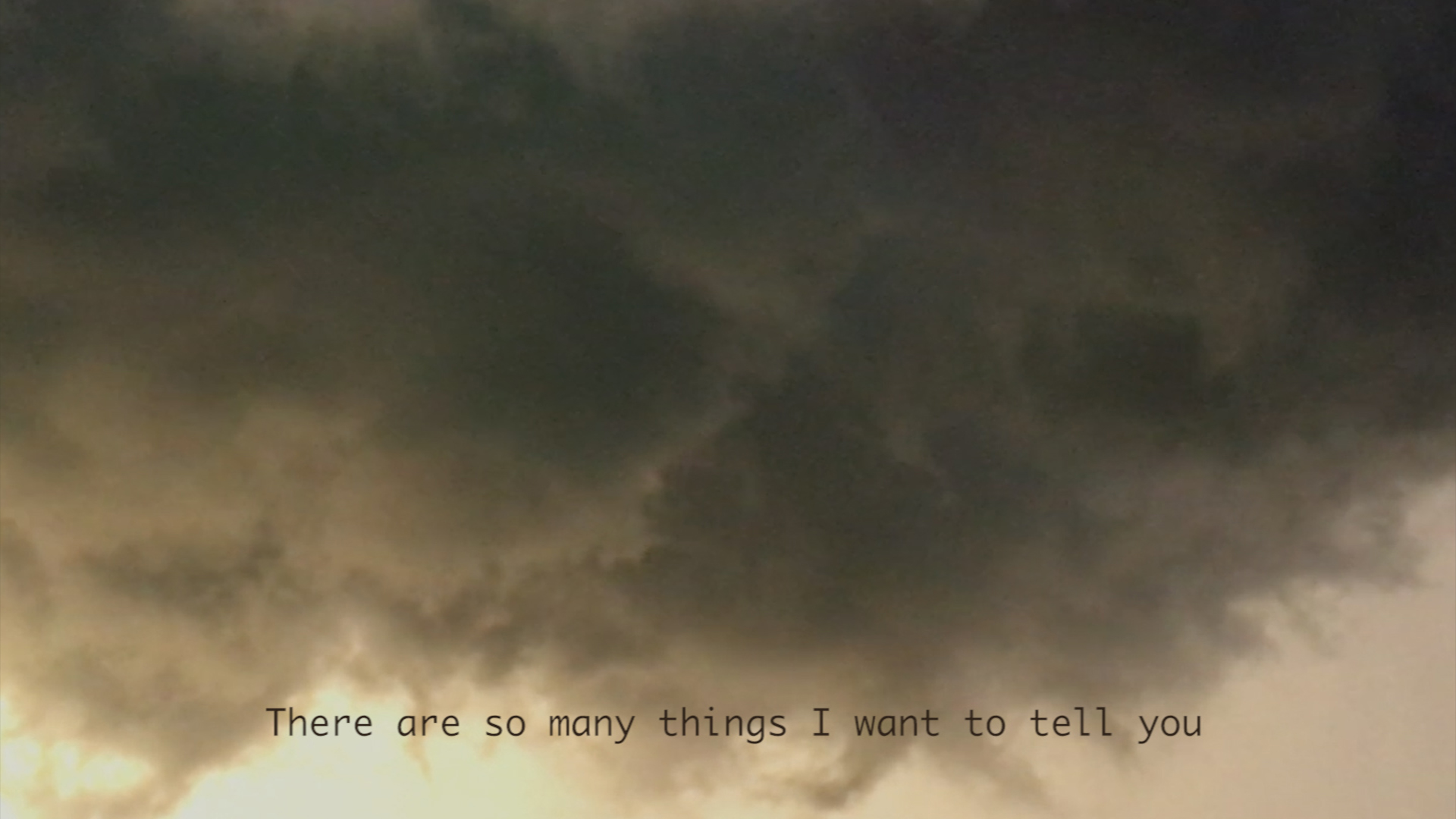
Twyfelhoek is a body of work where I explore remembering traumatic history by post-generations. The video work reveals a personal simulation of stories my mother told me about her fond memories of growing up on the farm Twyfelhoek in Vrede, the Free-state. Often, she would return to memories and stories of the cave where women and children were hiding in fear of being taken to one of the deadly concentration camps during the Anglo Boer-War.
The video evokes an affect of tension, repulsion, shock and anxiety to simulate the unbearable, violent and unthinkable trauma that women and children suffered during the war. This is achieved through film techniques like montage, layering, crossfading, audio, memory text and narrative. Simultaneously, layering and crossfading video footage create obscure images and in-between moments that symbolise the incomprehensibility of a mother’s trauma when she helplessly watches her children succumb to disease, cold and malnutrition but still she needs to remain the beacon of strength to her family.
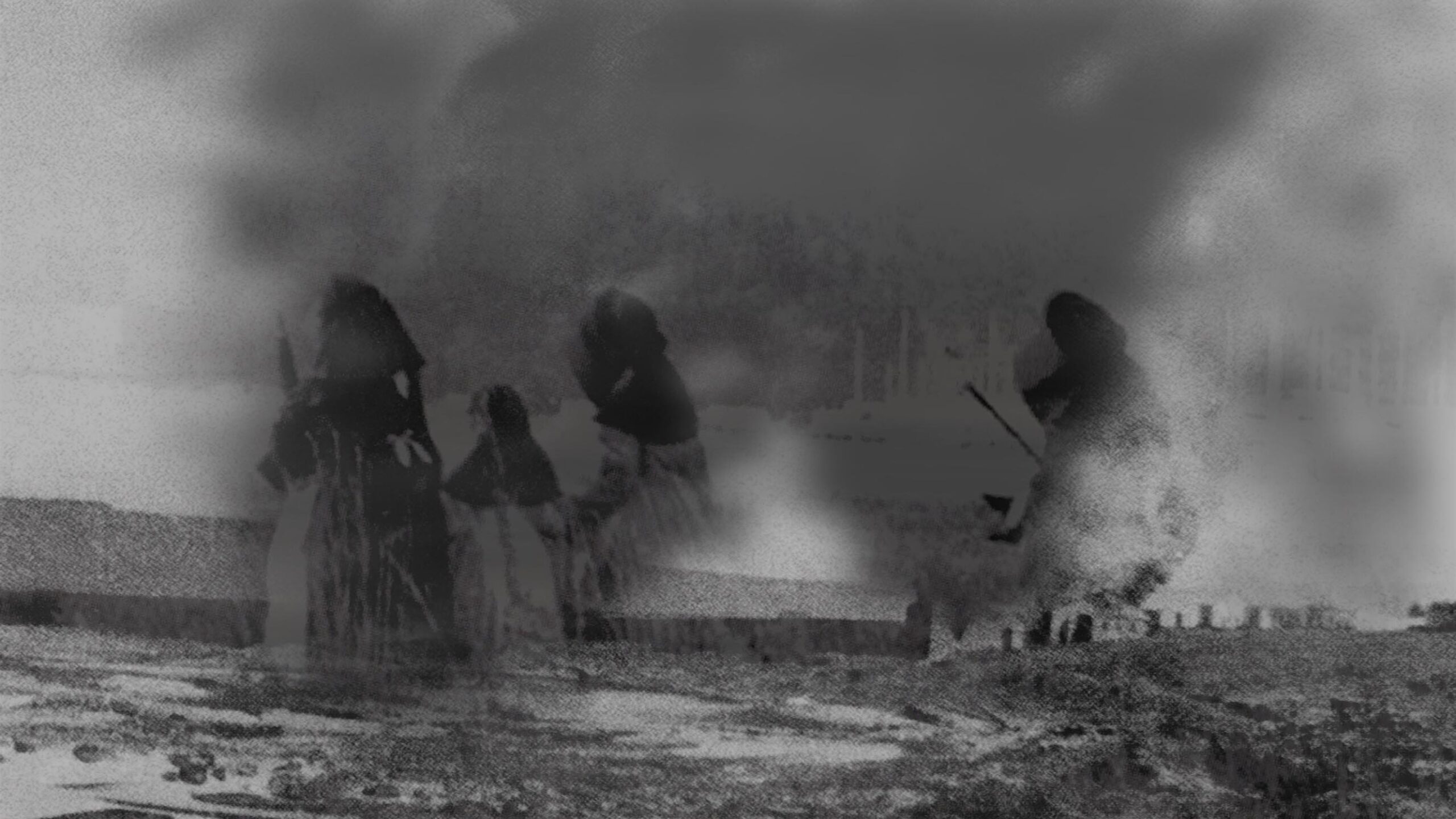
The black Victorian dress worn by the actress in the video represents a garment that Boer women sometimes wore in times of mourning. Simultaneously, the bell shape of the dress signifies the same shelter and protection as the white tents in which women and children were kept refuge after British militants burned down their homes. The same dress is included in the art exhibit, along with ropes, tent pens, and rocks, which exemplify how a woman is both a protector and anchor but also captured and trapped in an intolerable situation. Twyfelhoek also has a global message. Even today, women and children continue to be victims of war conflicts that generate traumatic memories that will stay in these families, even if they become vague through generations.
Priveleged Moments and Ideal Poses in Montage


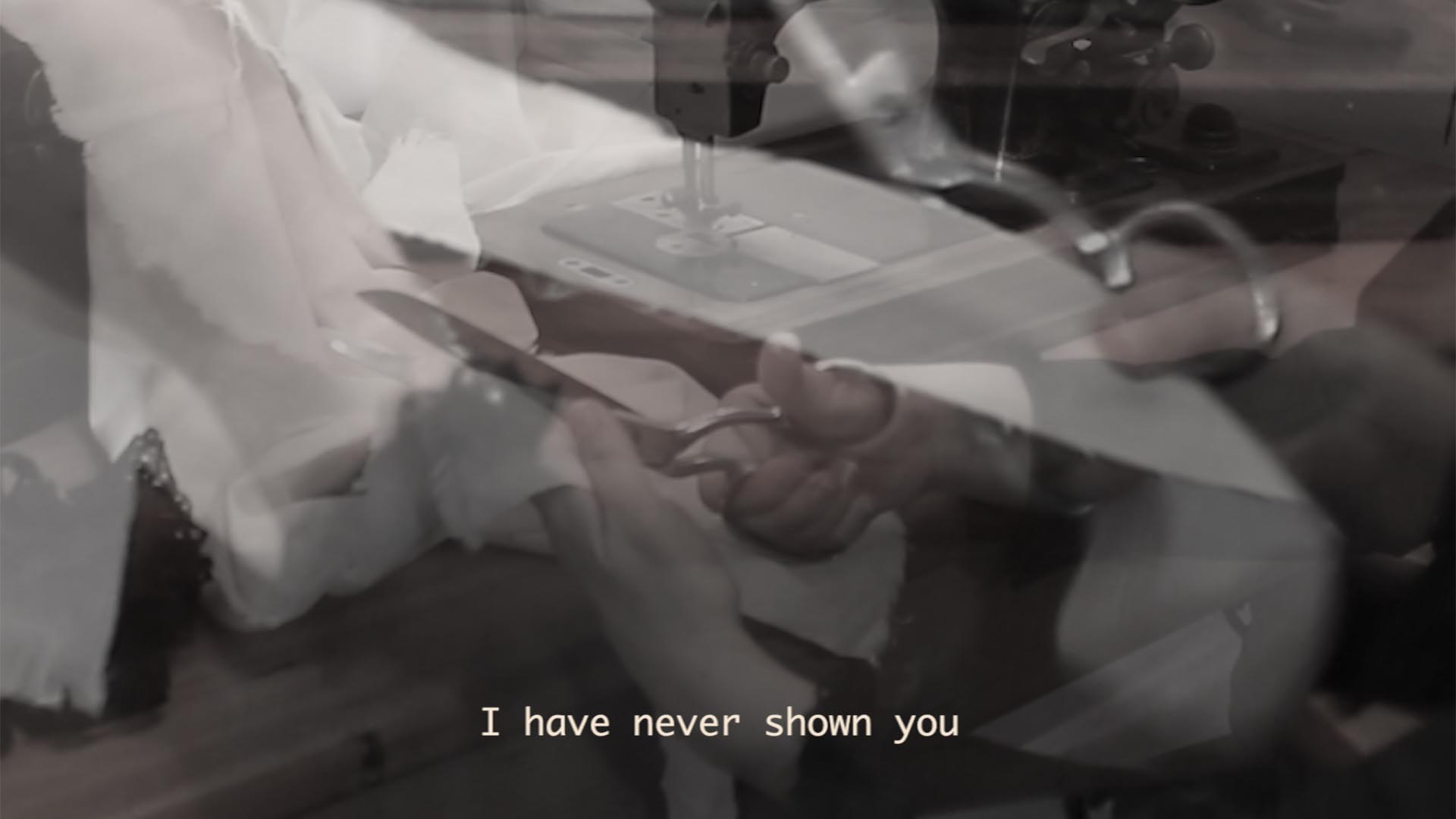
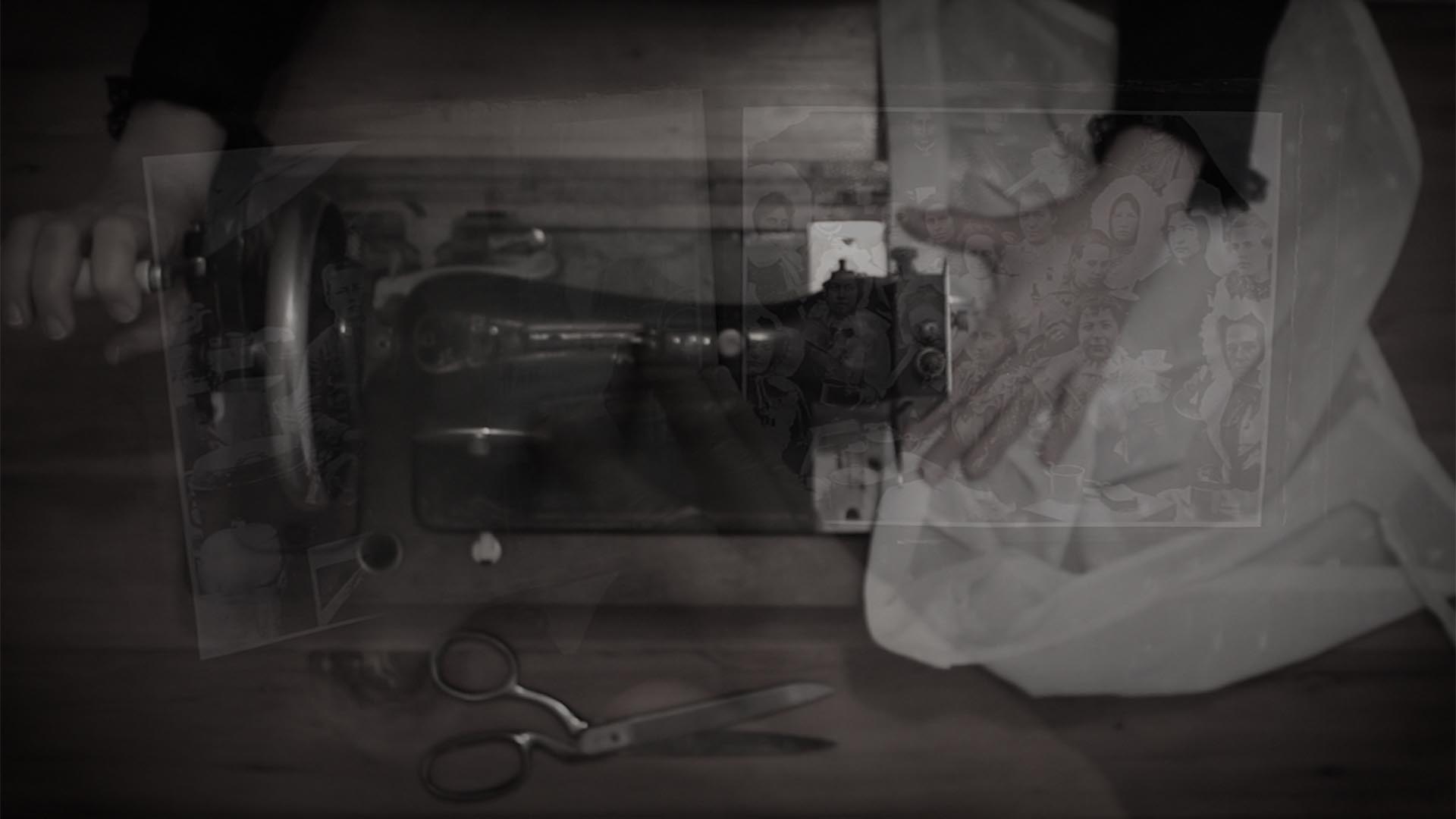
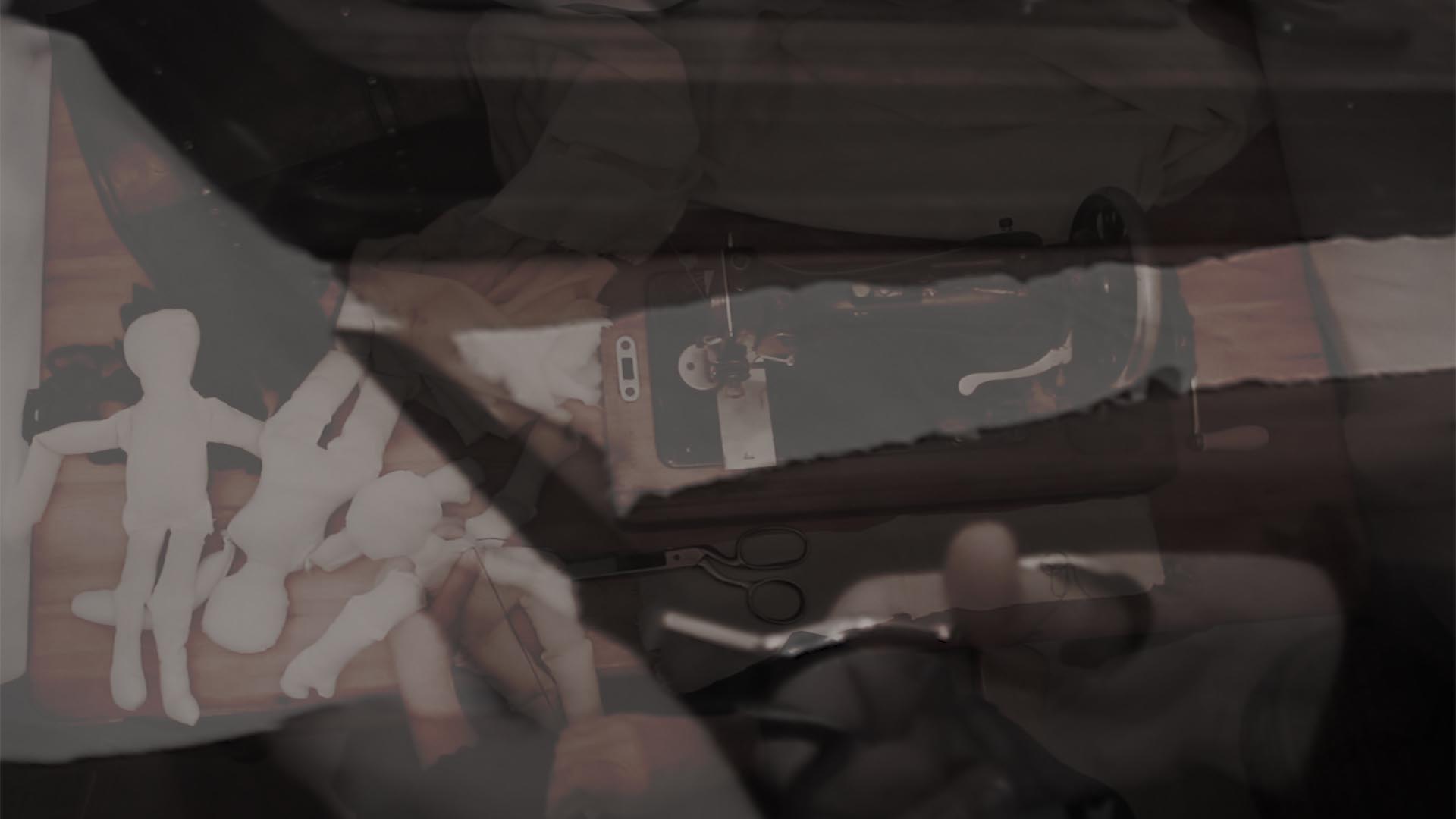
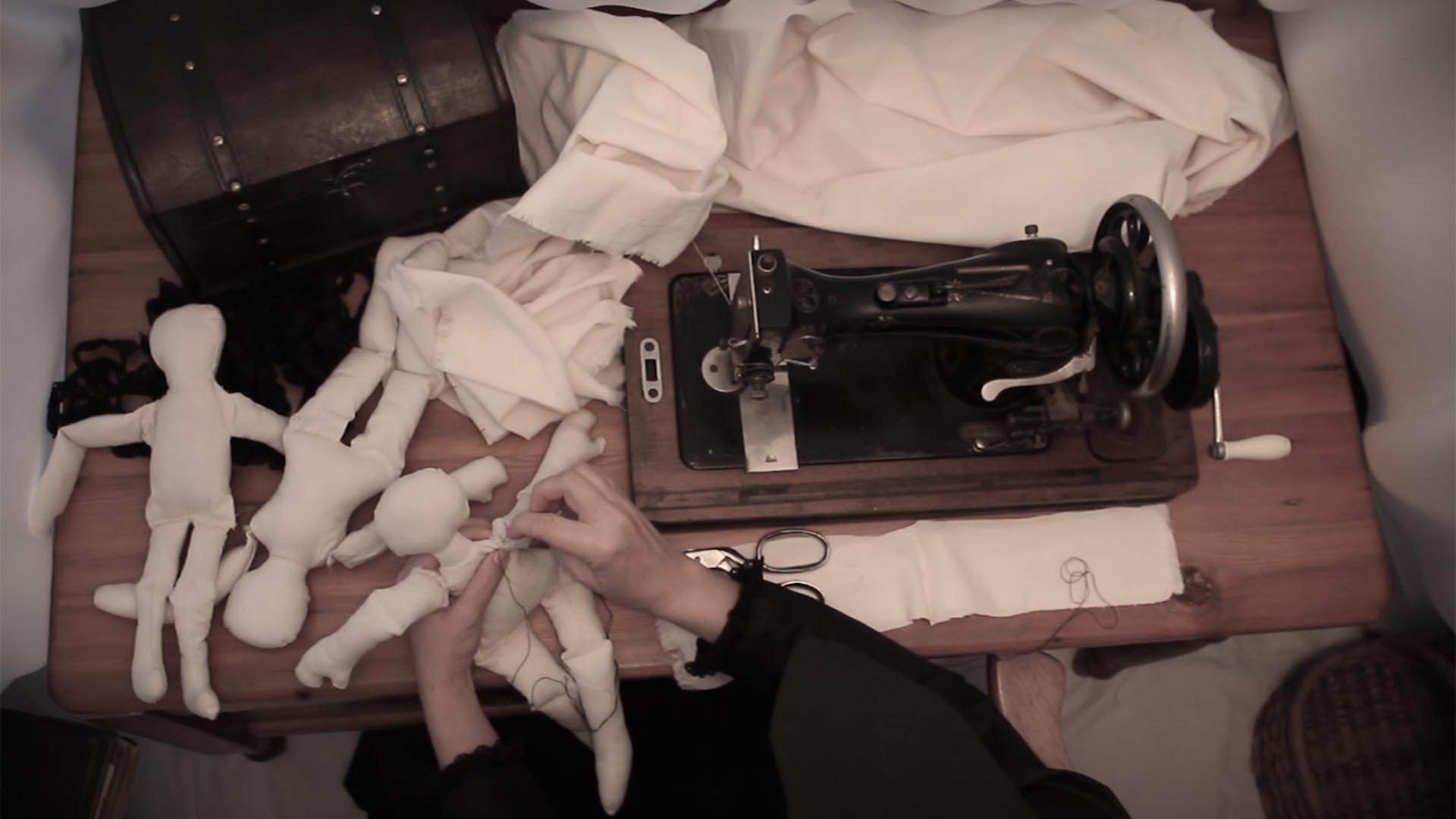

I apply strategies in Twyvelhoek (2020), which are narrative, montage, layering, crossfading and dissolve, long pauses, experimental editing, juxta positioning and creative geography. These all relate to specific effects and affects that simulate traumatic memories.
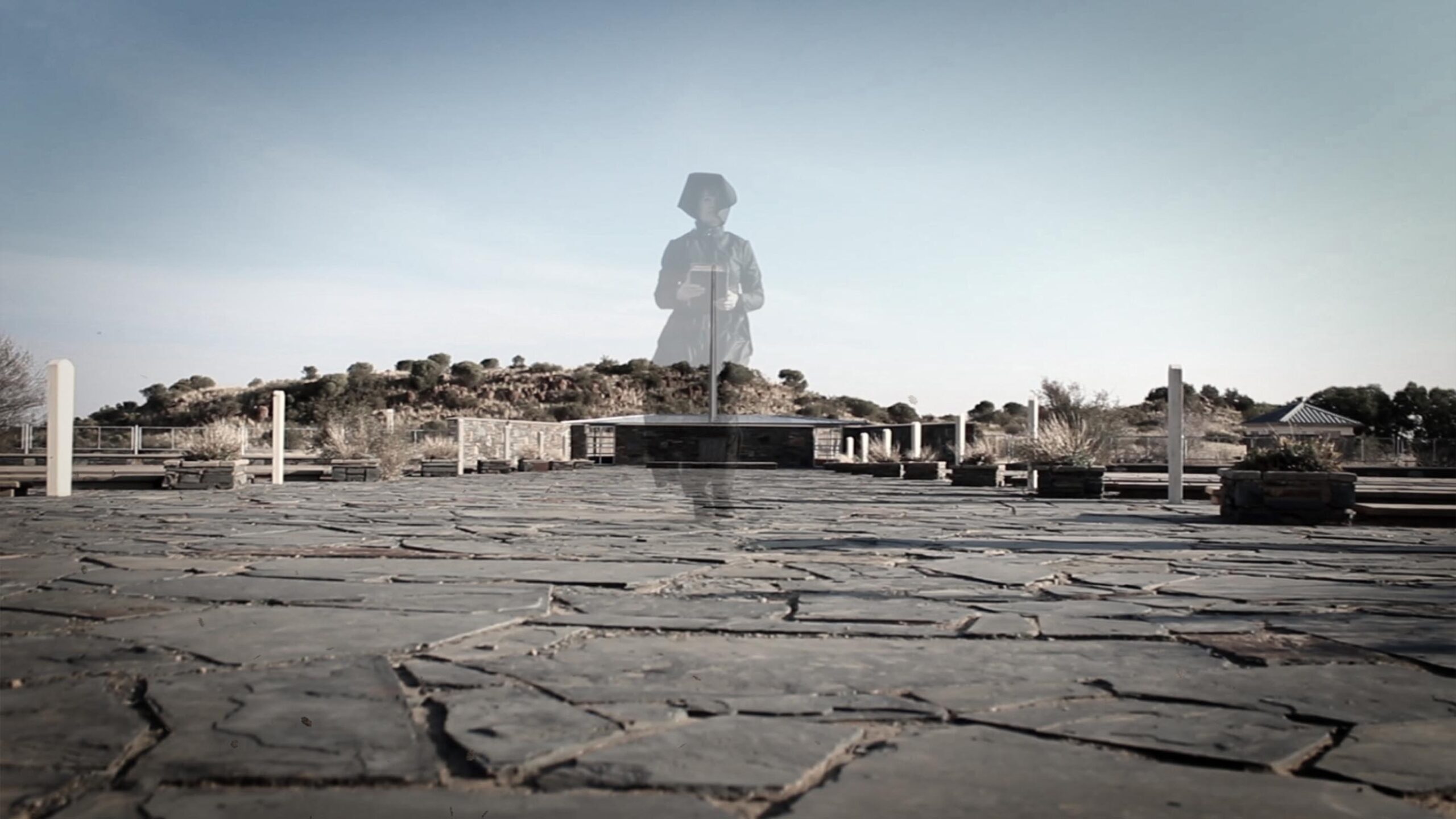
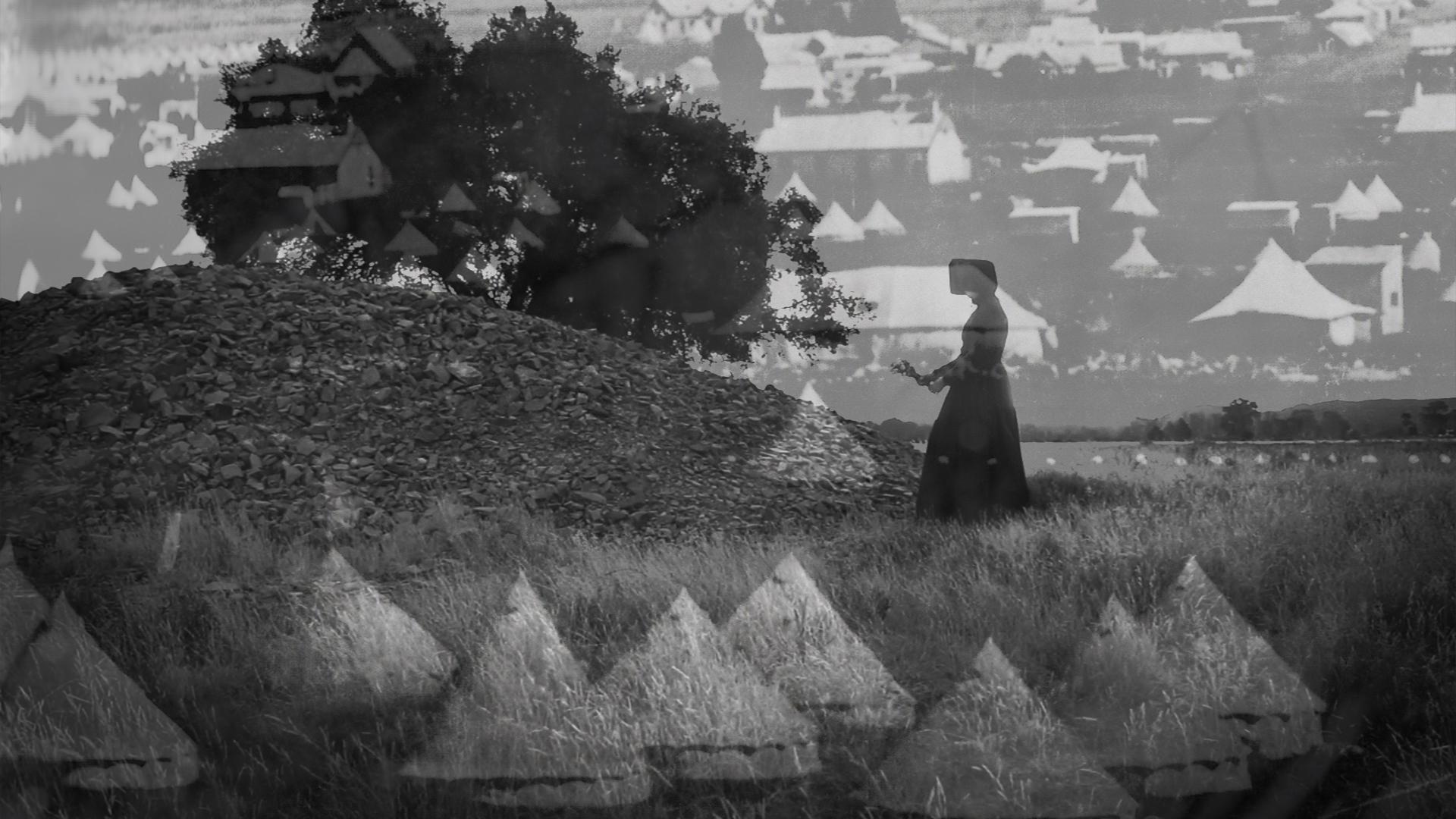
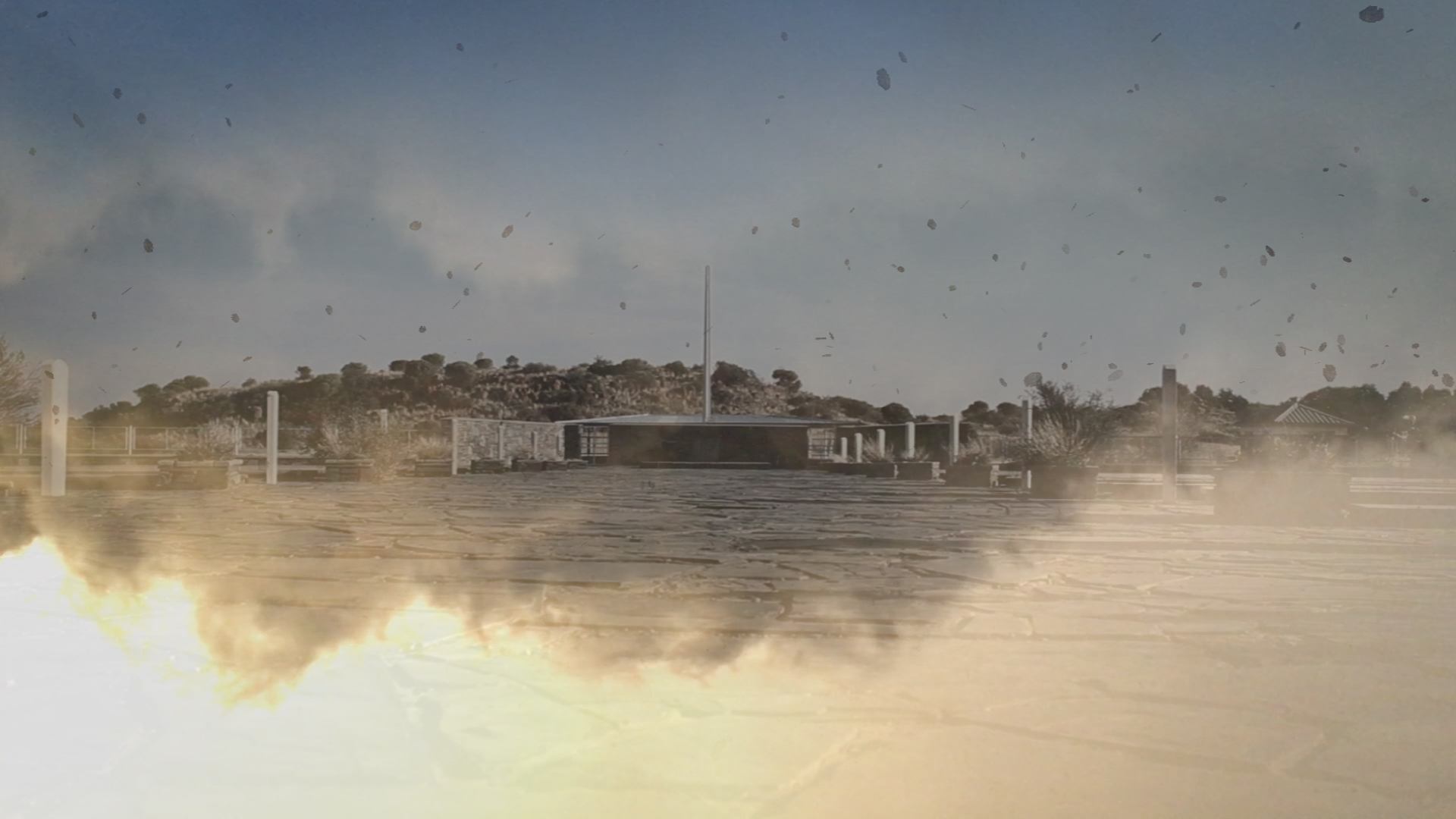
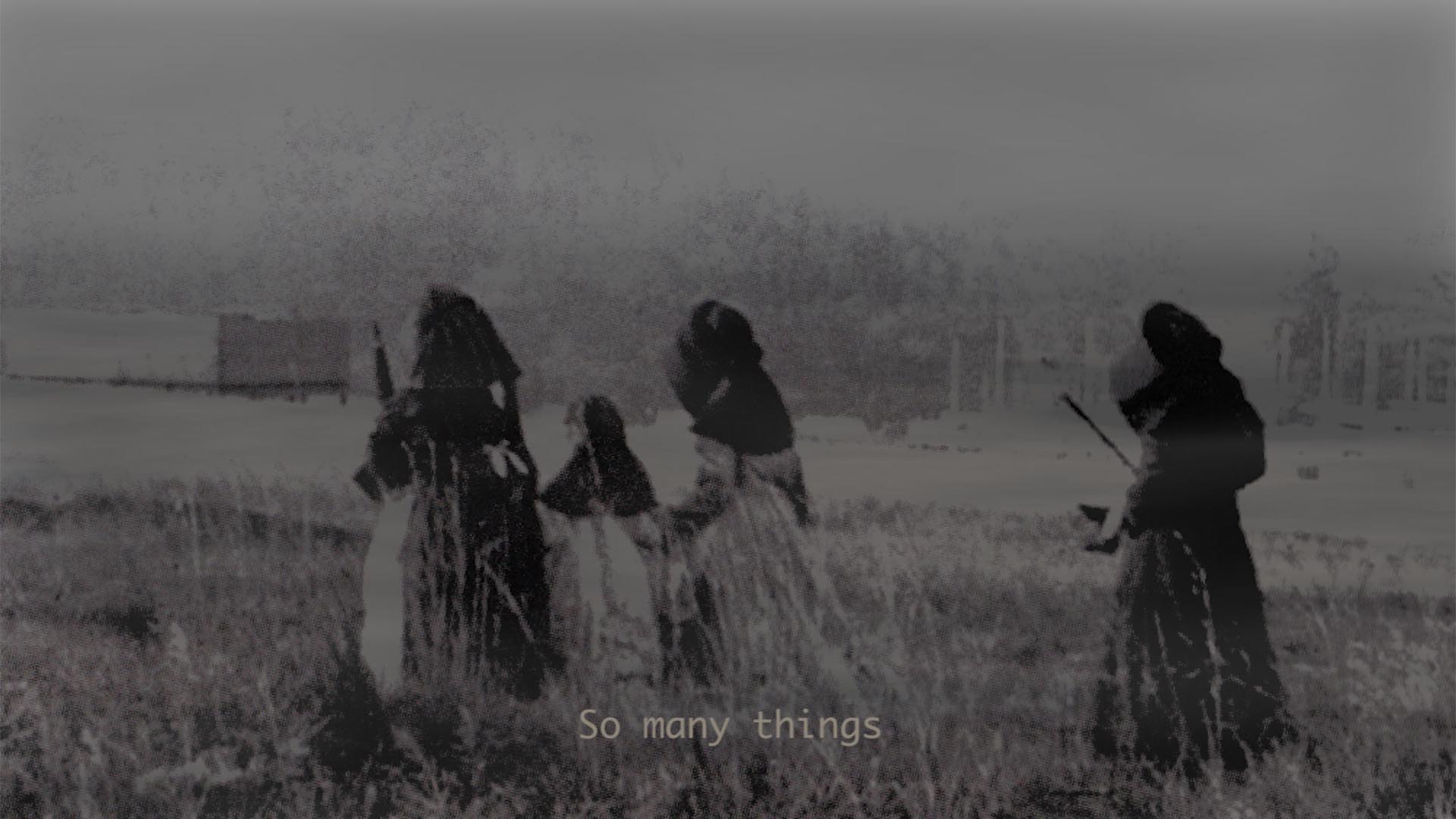
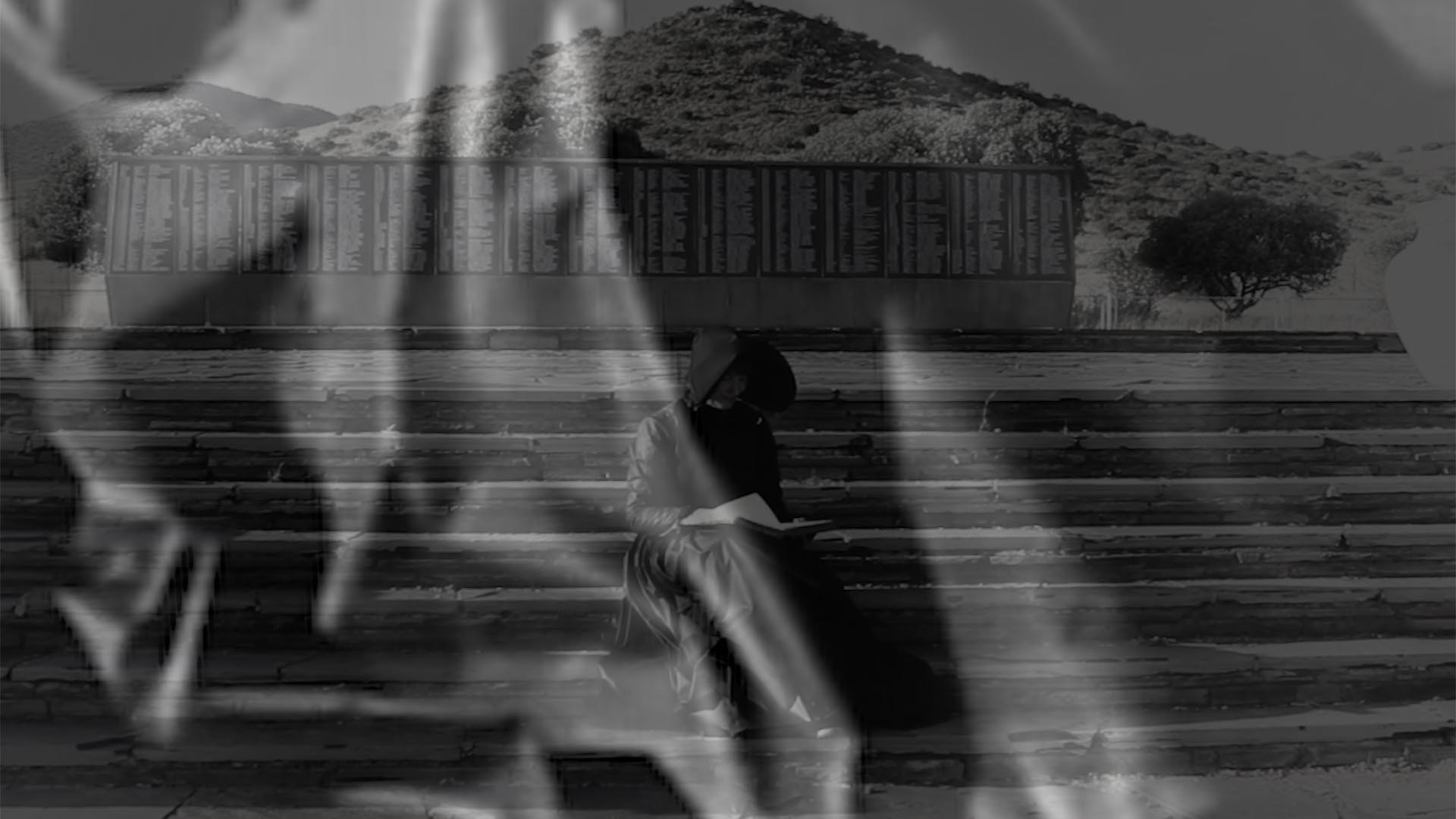
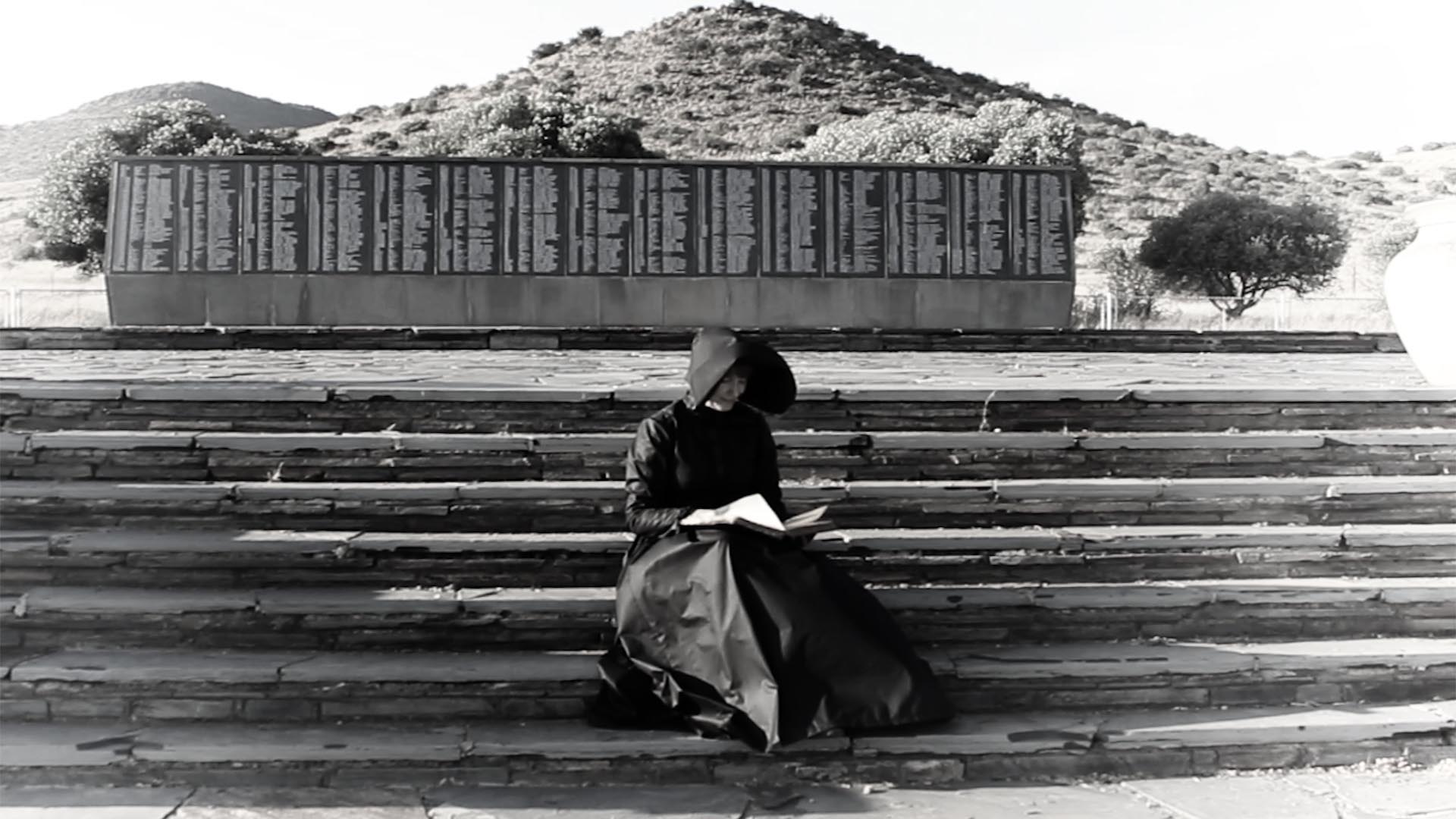
The montage of Twyvelhoek (2020) has a three-part narrative structure assembled and edited with historical photographs and recorded video shots of ritual-like performances by an actress. The first part of the narrative simulates the conversation between my mother and me. The photographs portray the farm where my mother grew up and the cave she always mentioned in her stories. I animated the still images so the camera seemed to pan over the landscape. Therefore, I utilised Kuleshov’s ‘creative landscape’ to simulate my mother’s memories of the farm, and how she possibly remembered it. In the second part of the narrative, I also use a creative landscape technique to indicate post-memory and imagination by simulating a moment in a tent during the war. In the final part of the narrative, I filmed a memorial commemorative graveyard in Bethulie in the Free State whilst the woman is wearing the black dress in the scene. This visual strategy also shows the potential of landscape to influence memory and imagination. The woman’s solitude wandering around in the graveyard symbolises the emptiness that her deceased family members left in her life.
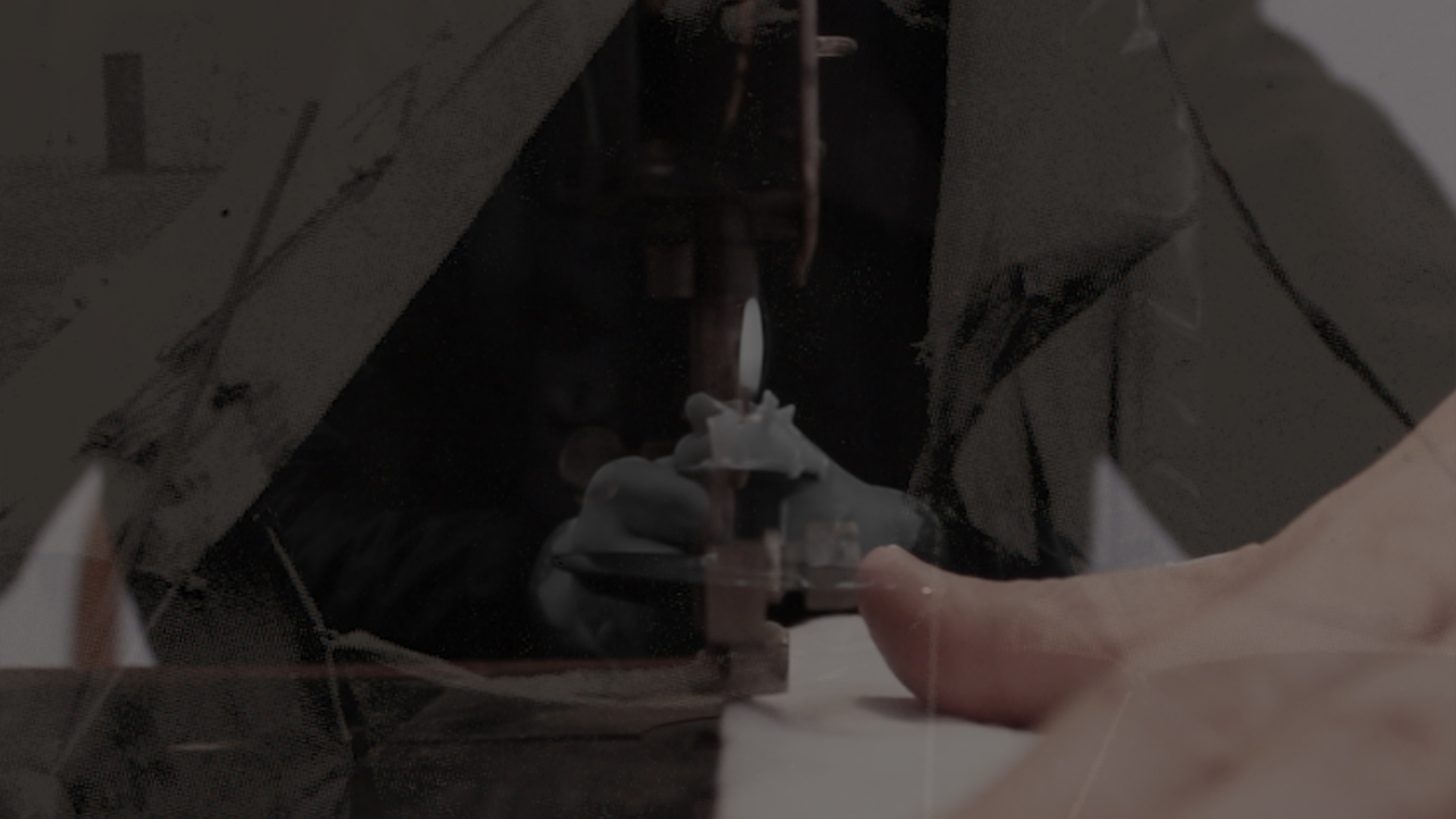
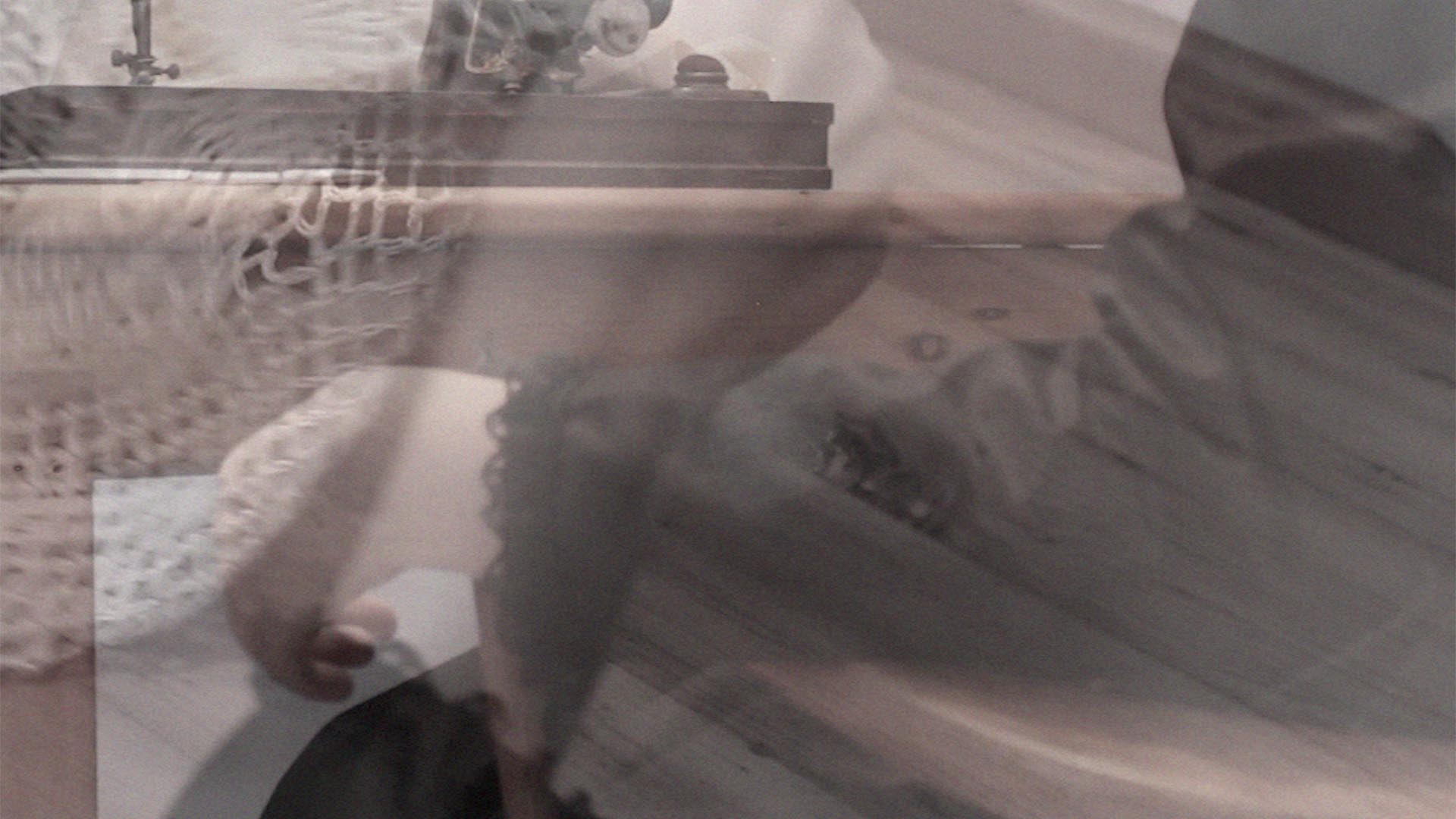
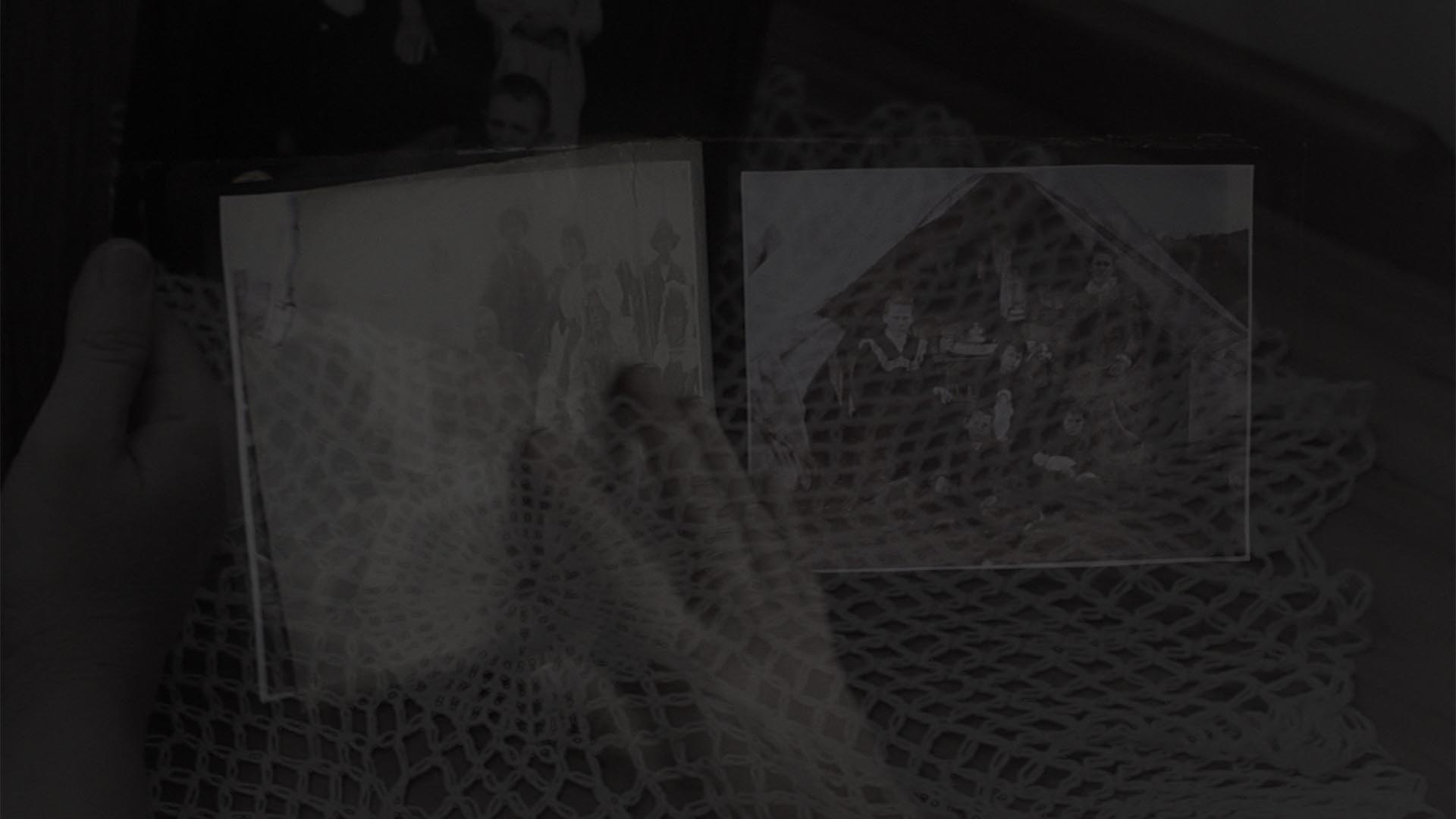
The second part of the narrative the climax of the narrative form simulate the mother’s loss, anguish and feeling of displacement after she has been resettled to the concentration camp. In these scenes of the intimate small space inside the tent, I included primarily close-up shots of a woman’s hand, sewing machine, needle, scissors and a small table. She unpacks a dainty knitted doily and framed photograph on a table. The portrait that is cropped out of the frame symbolise the passing and loss of family members. There is a strong emphasis on the delicate patterns of the white doily. Here, the cinematographic decision creates a strong motive of how the doily is still part of her life but the people in the photograph have now merely become a distant memory. The doily then cross-montages over a family photo album which underlines her loss and longing to family members and friends that are no longer part of her life. The accompanying audio in these scenes consists of emphasised noises of the sewing machine and scissors cutting linen. These noises create a psychological shift that hints at danger from death and disease that are threatening the lives of the children in the camps. The visuals combined with these background sounds, contribute to the contrasting ideas of the caring mother in the face of the threat of violence. The final act of the narrative portrays the aftermath of the war. The sequence is in colour to be representative of the present and to indicate my recent visits to these specific memorial sites. The woman in the black costume is still present in these scenes to convey how memories become part of our identity. The fading evening light in the final scenes creates a dramatic effect on the mood of the scene that contributes to the sombreness of traumatic memories.
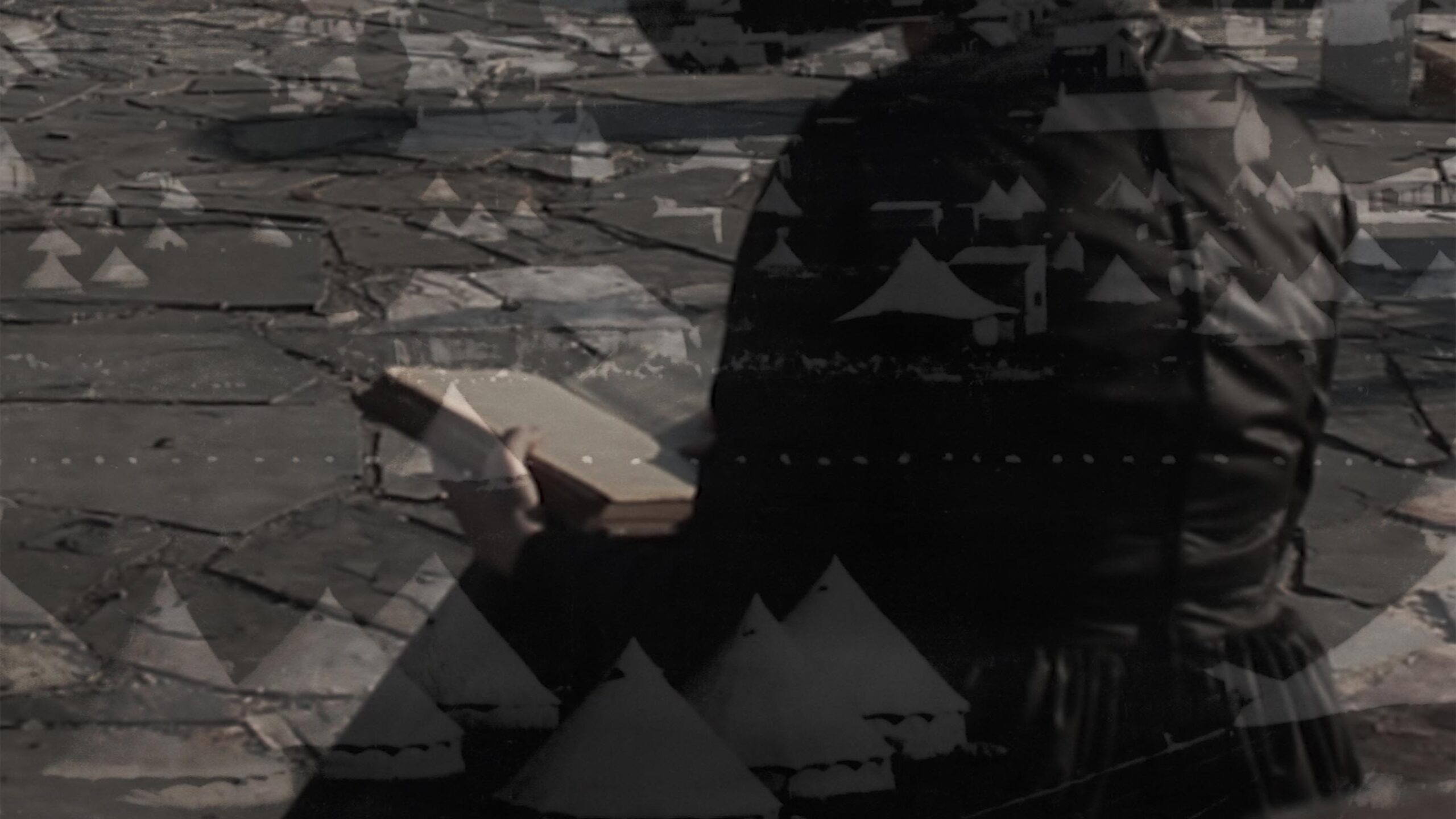
In the montage certain unplanned nonrepresentational images were created through layering, varying opacity and cross dissolves that were used as a tool for abstraction to symbolise war conflicts. These layers and cross-fades symbolise the formlessness of terror, and the uncertainty that woman experience from war conflicts. Furthermore, these pivotal moments also relate to how traumatic memories can be simulated through imagination. Through these privileged moments, the intended effect is to disrupt the time-space continuum, creating images in motion portraying a sense of the liminal and unrepresentable in traumatic experiences. Moreover, I used cross-over montages, where one scene merges into the next, as a video art technique to simulate the incomprehensibility of the concentration camps and traumatic memory. I also used this technique with the shape of the black dress that the actress is wearing in the video to resemble the form of a concentration camp tent. In the video work I used cross-montage to overlap the dress with scanned photographs of tents form the SAW to symbolically communicate the similar role of the motherly figure and tent as provider of shelter and protection. Further, the abstract images that are created by the cross-montage strategy express the mystery and myth of memories that fade as it is told from one generation to the next. They become abstract images of obscurity rather than clarity (Miller 1997:39). When Bergson (in Bogue 2003:3) theorises that the still frame has a past, present, future and origin; similarly, postmemory could have these same properties: The war conflict is the origin of postmemory and lived experiences of the victims. During this chain reaction of retelling stories, we all reimagine and remember in different ways as we cannot experience the pain and turmoil of others (Sontag 2013:70-71) but can only simulate traumatic memories to evoke the intolerable tensions of war.